
Layer-by Layer — Print Smart:
MIL-Spec Paint What?
So, you send us your 3D printing project, including color and BAM, and we ask you if you’d like to provide us with a MIL-Spec paint color instead… And you have no clue what we’re talking about. MIL-Spec? You gave us a color. Isn’t that enough? Consistency, darling, it’s all about consistency! Unlike Pantone numbers, MIL-Spec paints are standardized paint recipes…
MIL-Spec paint color? What are we talking about, MIL-Spec? You gave us a color. Isn’t that enough?
Why are we asking you for a MIL-Spec paint? Consistency, darling, it’s all about consistency! Unlike Pantone numbers, MIL-Spec paints are standardized paint recipes. Standardization means consistency (no matter how many batches we print and paint, the color of every single batch is consistent with the rest). Consistency means we’re printing exactly what you expected. Getting what you expected means you’re happy, which means we’re delighted… Happiness is worth a brief explanation.
What’s the difference?
To understand the difference between Pantone colors and MIL-Spec paints, it’s best that we establish precisely what Pantone colors and MIL-Specs are.
Pantone Colors Explained.
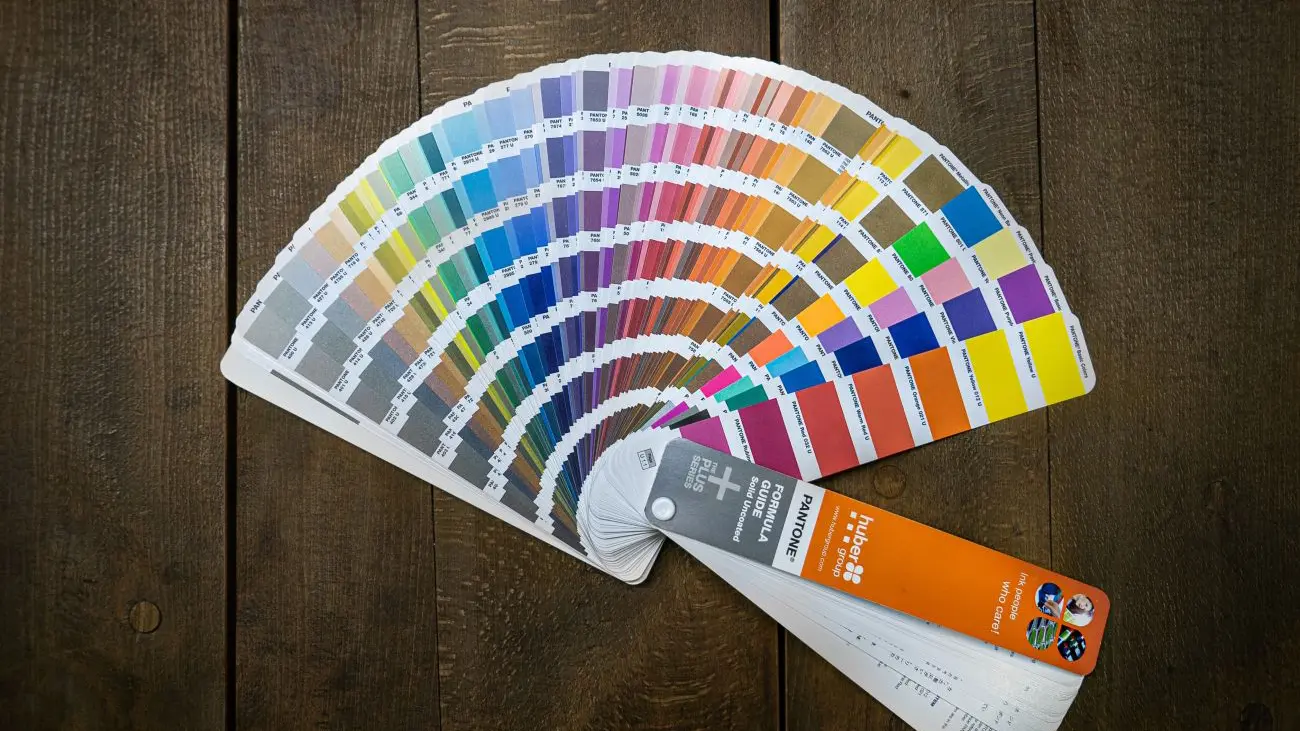
Pantone colors refer to colors specified in the Pantone Matching System (PMS), a color system that may be familiar to some of you. PMS is a proprietary, standardized color system that describes colors by an allocated number (e.g., PMS 143). The assigned number indicates the ink color combination required to achieve that particular color. It sounds like it would work for 3D printing, right? After all, the PMS color system is for printers and designers to standardize colors for printing projects. But here’s the problem. They developed the Pantone Matching System for use with ink. Not paint. There is no Pantone paint. There is paint that’s a close match to Pantone colors. But Pantone paint does not exist, and we use paint in 3D printing.
MIL-Spec Paint Explained.
MIL-Spec refers to the United States Military Standard, also known as MIL-STD or Military Standard. While MIL-Spec criteria are used for a variety of things — parts, weaponry, electronics — and can include a range of measurements — dimensions, materials, manufacturing methods, and testing requirements — we need to explain here why we use MIL-Spec. Basing manufacturing on MIL-Spec leads to standardized outputs, which reassure the consumer (the United States military) that what they receive is reliable, compatible, consistent, and precisely what they expected. And we all know how the military feels about consistency.
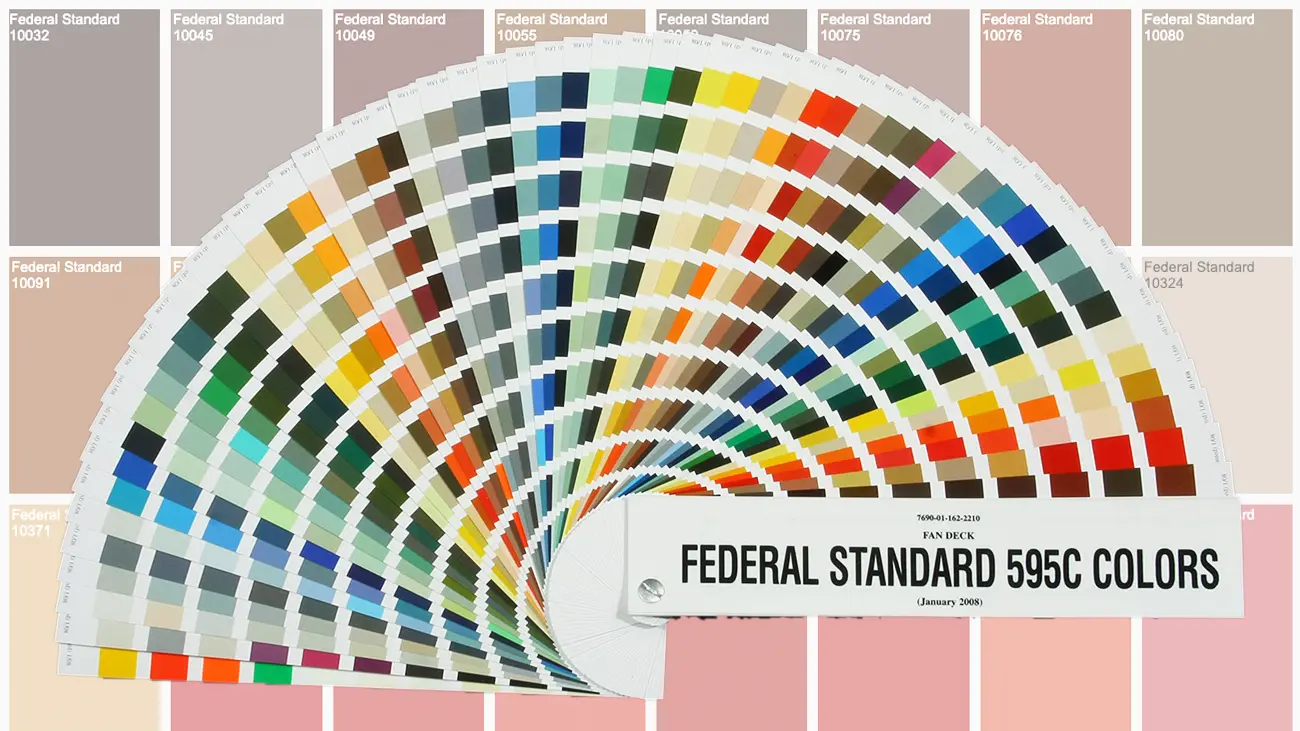
With this understanding of MIL-Spec, MIL-Spec paint (sometimes referred to as FD-STD 595 paint spec) is a paint color that has a standardized paint “recipe” that’s consistent and military-approved. The “recipe” that we use is the same “recipe” used for coating vehicles, weapons, ships, etc. This standardized paint recipe, rather than an ink color number as seen in the Pantone Matching System, ensures that anything painted with that paint color recipe will always be a perfect color match.
Think about it like baking a cake.
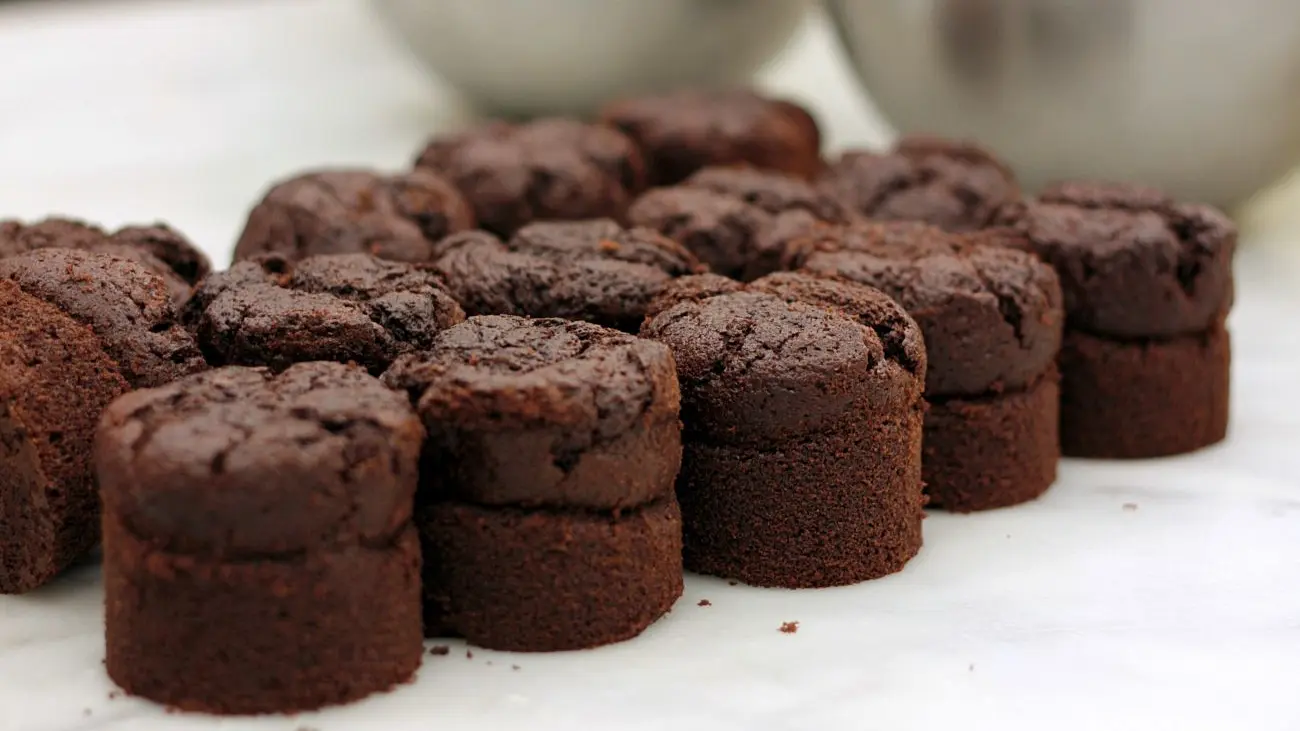
If someone asks you to bake a chocolate cake, you could probably make a passable cake without a recipe: Flour, sugar, eggs, cocoa powder, espresso, vanilla, salt, and baking powder. But if someone asks you to make that exact chocolate cake two, three, ten, twenty, a hundred times without a recipe, there’s no way you can make that exact chocolate cake every time. You might use more chocolate on a few, or the shape of the cake might turn out slightly different, or you might add more espresso, less salt, or more baking powder. You’ll make chocolate cakes, sure, but they won’t all be exactly the same.
What does this mean for 3D printing?
Consider printing one batch of a 3D-printed item and painting it with one batch of paint. Whether we use a Pantone color number or a MIL-Spec paint won’t matter because the entire batch will be the same color.
Now, consider printing multiple batches of a 3D-printed item that are painted with various batches of paint. If we use a Pantone ink color number, each batch of paint will be slightly different because the color number doesn’t provide the exact paint recipe. However, if we use a MIL-Spec paint, we’re working with a specific recipe, which means that every item in every batch we print and paint with that MIL-Spec paint will be the exact same color.
Consistency, darling…
Manufacturing (rapid manufacturing in the case of 3D printing) is all about consistency. The best way to ensure consistent color across everything we print and paint for you is to paint with MIL-Spec colors, not Pantone colors or PMS paint, or our best guess at the paint recipe that will yield a color that closely matches your Pantone of choice.
So, you have a few paint options…
Now that we all understand the difference between Pantone colors and MIL-Spec paint, you have a few options when painting your 3D-printed project:
- If you’re only printing a small, single batch of product, then MIL-Spec vs. Pantone isn’t a significant issue for you (yay!). We highly recommend choosing a Krylon spray paint color that you like, and we can use that.
- You could visit a local paint store, purchase the paint you like (ensuring you buy enough to complete your project or have extra available for future use), and then give it to us. We can use it, notifying you if we need more. If you choose this route, we highly recommend confirming with the paint store that they can replicate the color you’ve selected in the quantity you need, just in case you require another batch of paint in the future.
- Our most highly recommended route, though, is to simply Google FD-STD 595 paint colors and browse the different MIL-Spec paint options, which will include sites like this Federal Standard Color website. When you find a color (or a few colors) that appear to be a good fit, buy a paint chip to verify the color in person (screens can do some funky things to color!). Once you’ve found the perfect color, all we need to know is the FD-STD 595 color number. That’s it. We can take care of the rest.
Ultimately, we need your help helping you. We don’t want your products (or you) to end up in five shades of red (get it?)! The best way to prevent that is to forget Pantone and think MIL-SPEC, at least when it comes to paint color. You might be surprised to discover just how many MIL-Spec paint colors there are (we promise there are more than just a few shades of brown, green, and gray).
For more information, please don't hesitate to contact us at or request a quote and upload your file today!